
Currently Empty: ₦0.00

UNLOCKING THE POWER OF FORMULATED COMPLEMENTARY FOODS (FCF): INSIGHTS FROM INTERNATIONAL TRADE CENTRE’S (ITC) EVENT IN NIGERIA.
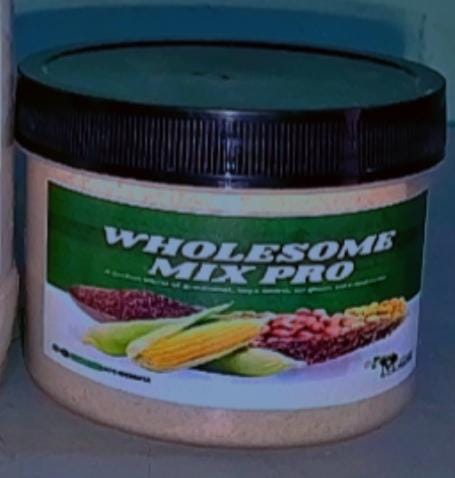
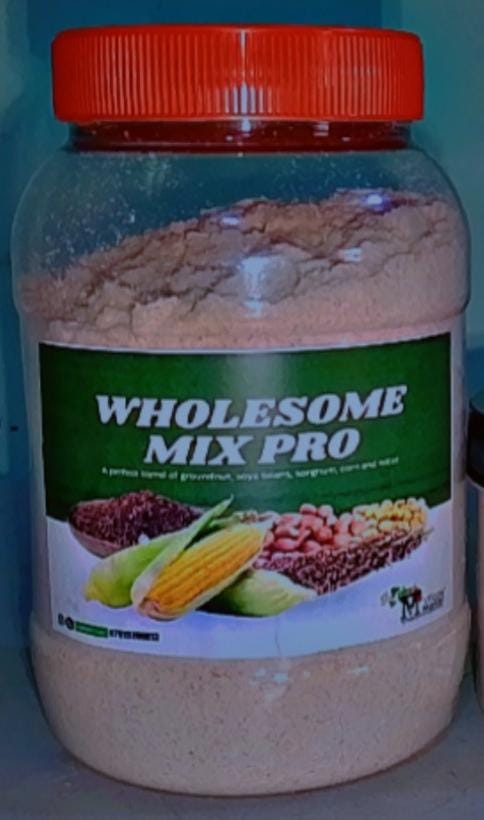
I’m thrilled to share some eye-opening insights from a recent event hosted by the International Trade Centre (ITC) in Nigeria, where discussions centered on advancing regional value chains for Formulated Complementary Foods (FCF). As a team member at Village Market, where we craft nutrient-packed baby food supplements like our Wholesome Mix—a perfect blend of grains for everyday nourishment—and Wholesome Mix Pro, featuring a powerhouse mix of groundnuts, soybeans, sorghum, corn, and millet—I’m passionate about how these initiatives can transform child nutrition across Africa. The event highlighted operational roadmaps to boost local production, drawing from ITC’s broader “Made by Africa” report, which emphasizes creating value through integration. Let’s dive into the benefits of FCF and key takeaways that align perfectly with our mission to provide affordable, locally sourced nutrition.
WHOLESOME BEGINNINGS: ADVANCING FORMULATED COMPLEMENTARY FOODS (FCF) IN NIGERIA
At Village Market, we are passionate about nourishing the next generation. Our Wholesome Mix and Wholesome Mix Pro are carefully crafted blends of grains, groundnuts, soybeans, sorghum, corn, and millet—designed to give infants and young children the balanced nutrition they need during their crucial early years.
Formulated Complementary Foods are more than just baby meals—they’re a lifeline for young children transitioning from exclusive breastfeeding to solid foods, typically around 6 months of age. These specially designed products address critical nutritional gaps, helping prevent malnutrition, stunting, and wasting that can have lifelong impacts on health and development. According to ITC’s “Made by Africa” report (Chapter 7: Baby Food: A Nutritious Start), Africa’s growing market for infant foods is driven by an abundance of local ingredients like grains, legumes, and nuts—exactly what we use in our Wholesome Mix products. The benefits are profound:
- Nutritional Boost: FCFs are fortified with essential vitamins, minerals, and proteins to support brain development, immune function, and growth. They can reduce the risk of micronutrient deficiencies, which affect millions of children.
- Accessibility and Affordability: By sourcing locally, as Village Market does with Nigerian-grown sorghum and millet, these foods become more affordable and culturally relevant, encouraging consistent use in households.
- Economic Empowerment: As highlighted in the ITC report, developing FCF value chains creates jobs, especially for women in small-scale processing, and reduces import dependency—potentially tapping into a market projected to grow significantly by 2026.
- Health Outcomes: Regular consumption can lower rates of undernutrition, leading to healthier communities and reduced healthcare costs.
In essence, FCFs like our blends aren’t just food; they’re an investment in Africa’s future generations, aligning with ITC’s vision of sustainable, regionally integrated production.
SUBSECTORS OF THE FCF VALUE CHAIN
The International Trade Centre (ITC) has identified five main FCF subsectors in West Africa, each with unique opportunities:
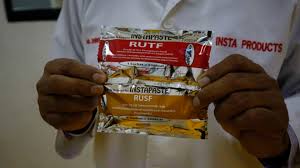
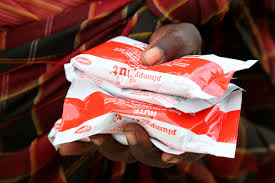
READY-TO-USE THERAPEUTIC FOOD (RUTF)
High-energy, nutrient-dense pastes used in the treatment of severe acute malnutrition. Business model considerations for RUTF include:
-
- Increasing local sourcing to reduce reliance on imports.
- Meeting stringent health and safety standards.
- Leveraging institutional buyers (e.g., UNICEF, WFP) due to high production costs.
- Developing complementary prevention-focused products alongside RUTF to reduce demand for emergency treatments.
- Sensitizing consumers on safety and quality, with validation from trusted agencies.
FORTIFIED BLENDED FLOURS (FBF)
Cereal-legume blends enriched with vitamins and minerals. They are affordable, culturally acceptable, and adaptable for both household and institutional feeding programs.
HIGH ENERGY BISCUITS (HEB)
Shelf-stable, fortified biscuits designed for quick energy and nutritional supplementation, often used in school feeding and emergency response programs.


YOGHURT
Dairy-based complementary foods that offer probiotics and proteins, adaptable to local milk production and processing capabilities.


INFANT FORMULA
Specialized milk-based products for infants, with potential to integrate local dairy value chains.


These subsectors show how FCF can be tailored to diverse needs, from therapeutic interventions to everyday prevention—much like our grain and legume blends at Village Market.
ITC’S MISSION TO NIGERIA: FOSTERING COLLABORATION FOR A HEALTHIER FUTURE
A highlight of the event was the discussion on ITC’s mission to Nigeria in July/August 2025, aimed at deepening ties within the FCF ecosystem. The goal? To align project priorities with national and regional strategies while assessing market dynamics for better production and supply chains. This involved engaging stakeholders to understand challenges like production capacity and quality standards, ultimately supporting roadmap development for future investments. It’s exciting to see how this mission could pave the way for initiatives that empower local producers like us at Village Market, ensuring FCF reaches more families across West Africa.
TACKLING MALNUTRITION: WHY FCF IS URGENTLY NEEDED IN NIGERIA AND BEYOND
The event didn’t shy away from the harsh realities driving this push: malnutrition remains a crisis in West Africa. In Nigeria, stunting affects 31.5% of children under 5, wasting 6.5%, and underweight prevalence 11.8%. Neighboring countries face similar issues—Ghana (17.4% stunting), Togo (23.8%), and Benin (34.1%). These stats, drawn from WHO data, underscore chronic malnutrition’s toll: stunted growth from poor diets, wasting from rapid weight loss, and underweight as a marker of broader undernutrition. FCF offers a direct solution by providing fortified, accessible foods that combat these risks, especially in vulnerable households. As the ITC report points out, with Africa’s baby food import value set to rise 84% by 2026, local production isn’t just beneficial—it’s essential for food security and equity.

THE NIGERIA MISSION: STRENGTHENING THE ECOSYSTEM
In July–August 2025, the ITC conducted a mission to Nigeria to:
- Build partnerships with government agencies, SMEs, development partners, and impact investors.
- Align national and regional strategies for FCF sector growth.
- Assess production capacity, quality standards, and supply chain challenges through field visits.
These engagements laid the groundwork for collaborative solutions that will strengthen Nigeria’s role in the regional FCF value chain.
THE URGENCY: MALNUTRITION IN NIGERIA
As afore stated, Nigeria faces a serious nutrition challenge:
- 31.5% of children under five are stunted (too short for their age).
- 6.5% suffer from wasting (too thin for their height).
- 11.8% are underweight.

These figures underscore the need for sustainable, locally produced FCFs to ensure every child has the chance to grow, learn, and thrive.
CHALLENGES IDENTIFIED BY THE ITC
To unlock the potential of Nigeria’s FCF sector, several barriers must be addressed:
- Inconsistent raw material supply due to poor post-harvest storage and limited farmer–processor linkages.
- High production costs and limited access to affordable finance for SMEs.
- Weak quality infrastructure for certification and research.
- Regulatory complexities at national and regional levels.
- Limited consumer awareness about the benefits of locally produced fortified foods.
Of course, building these value chains isn’t without hurdles, as summarized in the ITC presentation. Key challenges include input quality and supply consistency (like irregular access to high-quality grains), transportation and logistics bottlenecks, post-harvest losses due to poor storage, and limited access to finance and modern equipment. On the processing side, issues like tariff barriers, weak quality infrastructure for certification, and low awareness of nutritious local ingredients persist. Market access is tricky too, with overlapping norms, unclear incentives for institutional vs. retail buyers, and the need for better advocacy on natural vs. artificial fortification. The event called for priorities like integrating good agricultural practices, assessing barriers for advocacy, and providing technical support to SMEs—echoing the “Made by Africa” report’s push for regional perspectives to make FCF viable.
CHALLENGES AND OPPORTUNITIES
The ITC’s preliminary findings reveal several challenges in the FCF sector:
- Supply Chain Gaps: Inconsistent input supply and weak post-harvest infrastructure.
- Financial Barriers: Limited access to tailored credit lines for SMEs.
- Market Access: Tariff and non-tariff barriers hinder regional trade.
- Consumer Awareness: Need for campaigns to promote the benefits of locally produced FCF.
- High production costs and limited access to affordable finance for SMEs.
- Weak quality infrastructure for certification and research.
- Regulatory complexities at national and regional levels.
Despite these hurdles, the growing demand for nutritious infant food in Africa—projected to exceed €1.1 billion by 2026—presents a significant opportunity for local producers like Village Market. By addressing these challenges through collaborative efforts, the FCF sector can thrive, ensuring healthier futures for children and stronger economies for communities.
THE BIGGER PICTURE: MADE BY AFRICA INSIGHTS
According to the Made by Africa report, infant food production is a strategic priority for Africa. Despite abundant local ingredients, the continent remains import-dependent. Building trust in local brands, investing in modern processing, and harmonizing quality standards across borders will:
- Reduce import reliance.
- Support small business growth.
- Create jobs, especially for women.
- Improve food security and nutrition.
OUR COMMITMENT AT VILLAGE MARKET
We believe every child deserves a healthy start. By sourcing locally, adhering to international food safety standards, and innovating in product development, we are part of the movement to make high-quality, affordable complementary foods accessible to all Nigerian families.
Together—with farmers, partners, and policy-makers—we can turn the tide on malnutrition and give our children the wholesome start they deserve. In attendance from Village Markets Team were the CEO Village Market International Enterprise, Mrs. Aderemi Olarenwaju Sanni-Banjo and the Manager Village Market International Concept Mr. Nze-Okechukwu Okechi G-M as well as other Formulated complementary food producers all over Lags State.

Mrs. Aderemi O. Sanni-Banjo, CEO Village Market Int’l Enterprise.

Mr. Nze-Okechukwu Okechi G-M, Manager Village Market Int’l Enterprise.
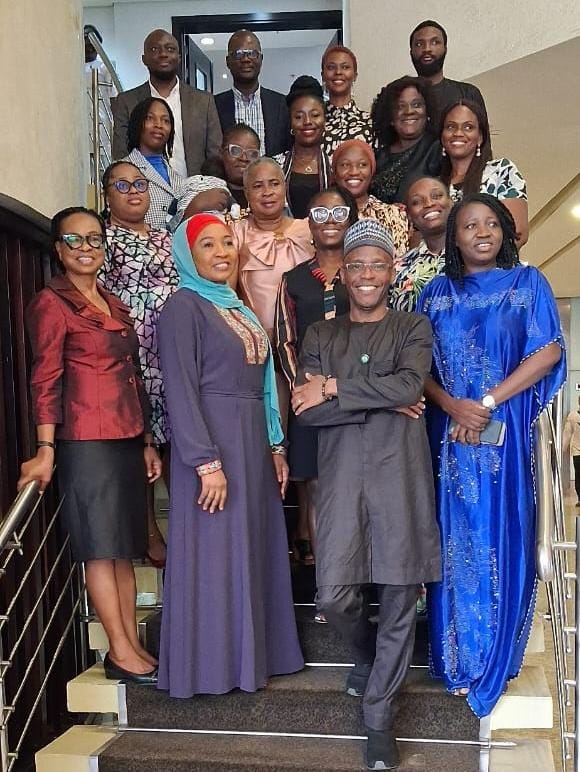
Formulated Complementary Food Manufacturers in and around Lagos State.

